Why Mental Health First Aid Belongs in Every Educator’s Toolkit
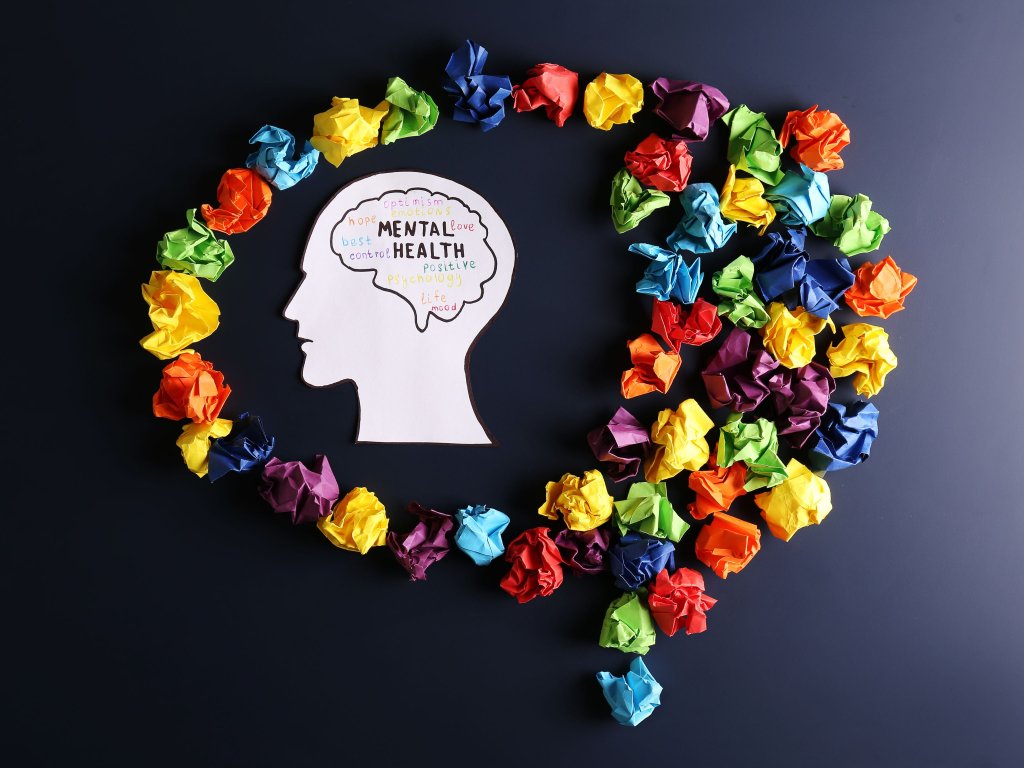
How a simple certification reshaped the way I see care, connection, and belonging in schools.
by Meghan Raftery
Last week, I earned my certification in Mental Health First Aid, a national training program that teaches participants how to identify, understand, and respond to signs of mental health and substance use challenges. The course, developed by the National Council for Mental Wellbeing, equips everyday people with the tools to offer initial support to someone experiencing a crisis and connect them to appropriate help.
As an educator and designer of learning experiences, I found the training both practical and profound. It reframed something I’ve always known but sometimes struggled to articulate:
Teaching and leading are acts of care.
Seeing Students as Whole Humans
In schools, we talk often about “the whole child.” We design lessons to build critical thinking, empathy, and resilience. But we sometimes forget that the students sitting in front of us (and the adults working alongside us) carry invisible stories. Anxiety, grief, trauma, or burnout can show up as distraction, frustration, or withdrawal.
Mental Health First Aid gave me a framework to notice those signs without judgment and to respond in a way that prioritizes safety, connection, and respect. The course reminded me that support doesn’t always mean solving a problem; sometimes it means sitting beside someone in their struggle and helping them take the next small step, which aligns well with my coaching philosophy.
Building Belonging in Educational Spaces
The training also deepened my commitment to creating environments where belonging is a daily practice. Whether I’m facilitating professional learning with teachers or designing a curriculum for students, I want every participant to feel seen, safe, and valued.
Mental Health First Aid is one more tool in that effort. It offers language and structure for talking about difficult topics—depression, panic, substance use, suicidal thoughts—in a way that is compassionate and clear. It gives educators confidence that they can respond appropriately, not perfectly.
Creating environments where belonging is a daily practice is central to my work. I explore this more through my work with Edjacent.
A Call to the Field
I believe every educator, school leader, and community partner should consider this training. Not because it will turn us into counselors, but because it helps us become better listeners, advocates, and neighbors.
We already perform emotional triage every day when we comfort a crying child, check in on a stressed colleague, or notice when a student’s spark fades. This certification doesn’t change what we do; it validates it, strengthens it, and gives it structure.
When we commit to understanding mental health as part of our shared humanity, we move one step closer to schools that truly nurture the minds and hearts of everyone inside them.
If you’d like to learn more about Mental Health First Aid, visit mentalhealthfirstaid.org. I’m grateful for the opportunity to add this training to my practice and to continue learning how to support wellbeing in every space where people learn and grow.